He also talked to us about biofuels. I learned that the energy of biofuels came from plants, and he introduced us to "fast grass", which is REALLY FAST GROWING GRASS. They would burn the fast grass and use it to make electricity. At the end, he let us keep the seeds of fast grass (but I kept it in my pants but forgot to take it out, and I think I left it in the washing machine, and I hope my mom didn't wash it.) Apparently they are edible, which I think are cool.
I think that Mr. Ingram came here to grow the fast grass, as they can only be grown in the tropics and Malaysia is in the tropics.
 |
| Credits: https://goo.gl/images/tXDz6b |
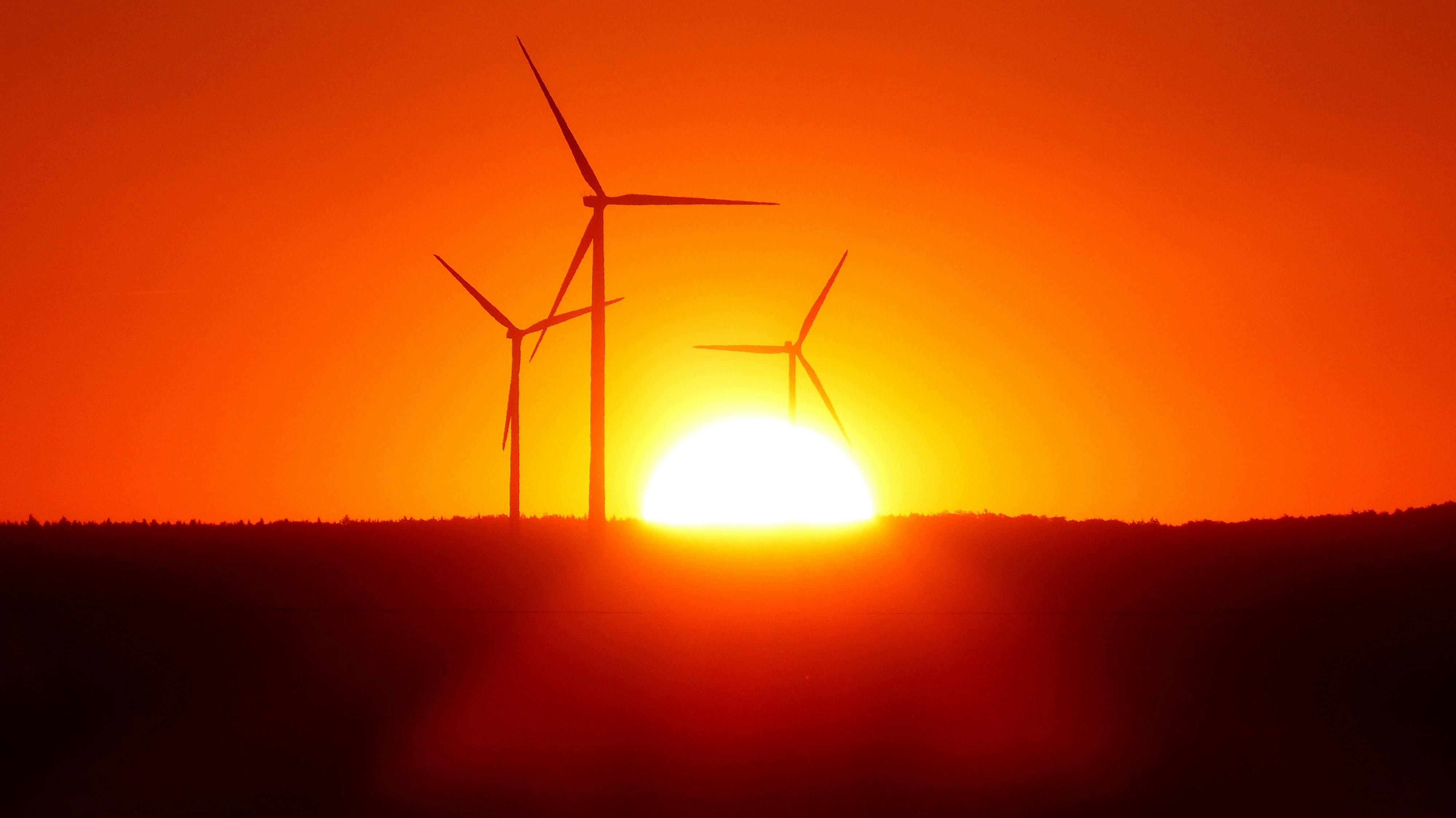
He also talked to us about wind energy. Mr. Ingram's family also owns a wind farm in Scotland with 8 turbines. I found out that the costs of building a wind turbine were quite high, as the small ones costed about $2 billion, while the big ones costed $2.5 billion.
One of the questions asked was: "How long does it take to earn back the money that you spend to make the wind turbines?"
"About 7-8 years." Mr. Ingram replied.
Wow! I thought. It's going to take a while a while to earn all that money back!
He also talked to us about how the wind turbines generate electricity and make money. I learned that the more revolutions a minute the the turbine turns, the more electricity it generates. In order to make profit, you need to have a wind speed of at least 48 kph. If the wind speed was too high, the wind turbines would automatically adjust to be able to get the most amount of electricity. But if the turbines were made of metal, why wouldn't lightning be able to harm it? We found out that there was a lightning rod at the top of the wind turbine and that there were really strong insulators by the turbine, so even if someone was touching the turbine, the person would be perfectly okay. And then came the question: "Why are there no wind turbines in Malaysia."
Even though the wind during the monsoon season in Malaysia had winds faster than the amount required to make profit, you can't just have a wind turbine turning for 1/2 a year. It wouldn't be able to make much profit, as normal turbines only turn 80% of the time.
I thought that Mr. Ingram's presentation was great, and he really knew about the topic. I loved the idea of wind energy, but it would take a while for everywhere on Earth to use it. I believe that in the upcoming future, we will be using that sustainable energy so we stop using as many fossil fuels and can make our Earth a better place.
One of the questions asked was: "How long does it take to earn back the money that you spend to make the wind turbines?"
"About 7-8 years." Mr. Ingram replied.
Wow! I thought. It's going to take a while a while to earn all that money back!
He also talked to us about how the wind turbines generate electricity and make money. I learned that the more revolutions a minute the the turbine turns, the more electricity it generates. In order to make profit, you need to have a wind speed of at least 48 kph. If the wind speed was too high, the wind turbines would automatically adjust to be able to get the most amount of electricity. But if the turbines were made of metal, why wouldn't lightning be able to harm it? We found out that there was a lightning rod at the top of the wind turbine and that there were really strong insulators by the turbine, so even if someone was touching the turbine, the person would be perfectly okay. And then came the question: "Why are there no wind turbines in Malaysia."
Even though the wind during the monsoon season in Malaysia had winds faster than the amount required to make profit, you can't just have a wind turbine turning for 1/2 a year. It wouldn't be able to make much profit, as normal turbines only turn 80% of the time.
I thought that Mr. Ingram's presentation was great, and he really knew about the topic. I loved the idea of wind energy, but it would take a while for everywhere on Earth to use it. I believe that in the upcoming future, we will be using that sustainable energy so we stop using as many fossil fuels and can make our Earth a better place.

No comments:
Post a Comment